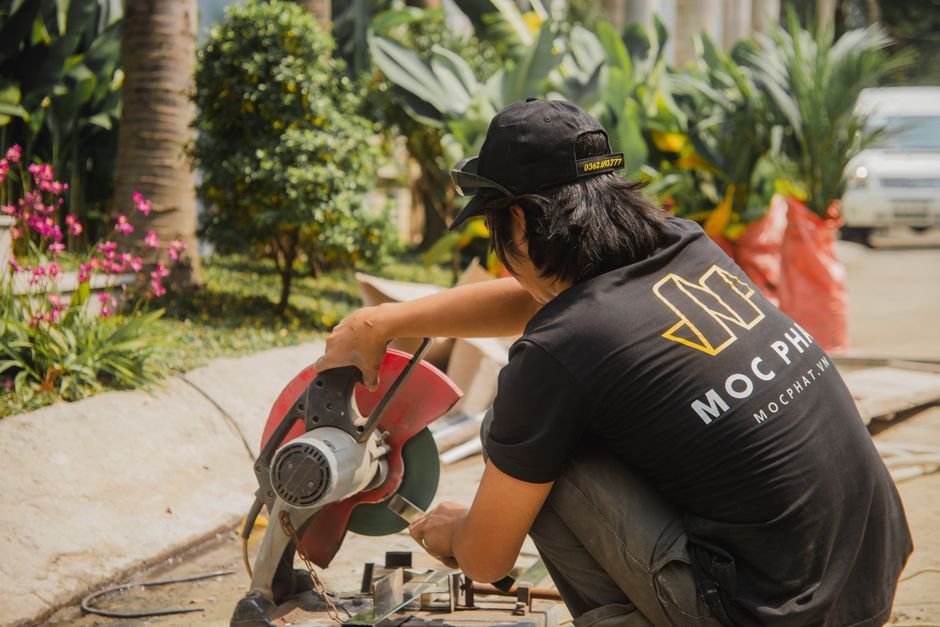
DIY versus pro garden installation which suits your budget
Choosing between DIY and professional garden installation is rarely just about money. It is about time, tools, confidence, the size of the job, and how much risk you are comfortable carrying if something goes wrong. A simple patio edge or a few raised beds can be a satisfying weekend project. But a full garden redesign with drainage, levels, decking, turf, planting, and hard landscaping? That can get complicated fast. And expensive too, if mistakes need redoing.
This guide breaks down DIY versus pro garden installation which suits your budget in plain English. You will see where DIY genuinely saves money, where hiring a professional is the smarter spend, and how to make the decision without second-guessing yourself. If you are planning broader outdoor improvements, it can also help to look at related services such as landscaping, landscape gardening, or even a more targeted job like decking services.
Let's face it: most garden budgets are not unlimited. So the real question is not "Which option is best?" It is "Which option gives the best outcome for the money I actually have?"
Table of Contents
- Why DIY versus pro garden installation which suits your budget Matters
- How DIY versus pro garden installation which suits your budget Works
- Key Benefits and Practical Advantages
- Who This Is For and When It Makes Sense
- Step-by-Step Guidance
- Expert Tips for Better Results
- Common Mistakes to Avoid
- Tools, Resources and Recommendations
- Law, Compliance, Standards, or Best Practice
- Options, Methods, or Comparison Table
- Case Study or Real-World Example
- Practical Checklist
- Conclusion
- Frequently Asked Questions
Why DIY versus pro garden installation which suits your budget Matters
A garden project can look straightforward on paper and then, very quickly, become a chain reaction of hidden costs. The first gravel delivery seems affordable, then you need a compactor, then membrane, then edging, then a skip, then a weekend disappears, then it rains. Classic. You may save on labour, but labour is only one part of the total spend.
Budget matters because garden installation costs are not only about the final invoice. They include the cost of your time, the chance of buying tools you will use once, the risk of rework, and the long-term maintenance burden. A cheap DIY job can become a costly one if it fails early, shifts after winter, or creates drainage problems. On the other hand, a professional installation can feel dear upfront but deliver better durability, better finish, and fewer headaches later.
The other reason this decision matters is that your garden is usually not a one-off purchase. It affects how you use your home every day. A level patio, a sensible layout, and healthy planting make life easier. A badly planned garden can leave you with muddy corners, awkward access, wasted space, and the slightly annoying feeling that you spent money twice.
Expert summary: If the job is simple, low-risk, and you have the time, DIY can be the budget winner. If the work affects ground levels, drainage, safety, or structural finish, paying a professional often protects your money rather than wasting it.
How DIY versus pro garden installation which suits your budget Works
The basic choice is simple. With DIY, you are paying mostly for materials and your own time. With a professional, you are paying for materials, labour, equipment, experience, and usually a more predictable finish. The difficulty lies in the middle ground. Some projects are genuinely easy to self-manage. Others look easy until the sub-base starts moving or the hedge line is suddenly not straight. That is where budgets get messy.
Think of garden installation in layers. There is design and planning, site preparation, groundworks, material supply, fitting or construction, tidy-up, and aftercare. DIY can handle some of these stages well, but not all. A homeowner might happily build a raised bed or lay turf on a prepared surface, but struggle with drainage gradients, tree works, or larger hard landscaping tasks. A professional team can handle the lot, including awkward bits you may not have thought about at 9pm on a Tuesday.
If your project includes clear-out work before installation, a service like garden clearance can be the difference between a good start and an exhausting one. Likewise, ongoing upkeep after the build may be easier to budget for if you know you can rely on garden maintenance or routine lawn mowing.
In practice, the budget equation works like this:
- DIY: lower upfront cost, more personal labour, higher risk of mistakes, more control over timing.
- Pro installation: higher upfront cost, less hands-on stress, better chance of a polished result, usually less waste and rework.
If you are comparing both options properly, you need to include hidden costs such as tool hire, skip hire, waste removal, delivery charges, and the value of your weekends. Those things matter. A lot more than people admit at first.
Key Benefits and Practical Advantages
Why DIY can suit a tighter budget
DIY often appeals because it gives you direct control over spending. You can buy materials in stages, choose simpler finishes, and spread work across several weekends. For smaller jobs, that flexibility can be very helpful. A few borders, a gravel path, a small seating area, or planting a simple scheme can all be manageable without bringing in a full installation team.
Another benefit is the ability to phase the work. You do not have to complete the whole garden in one go. That is useful if you are saving month by month. Truth be told, plenty of good gardens start with one corner, one bed, or one practical surface and grow from there.
Why pro installation can be better value overall
Professional work can be better value when the job needs accuracy, machinery, or structural know-how. Good installation usually means fewer corrections, a cleaner finish, and materials being used more efficiently. Professionals also tend to spot issues early, before they become budget leaks. A slightly off level today can become a puddle, a wobble, or a cracked surface by next season.
There is also a confidence factor. If you are investing in decking, paving, or a complete layout change, a professional team can make the whole process calmer. You are not juggling a wheelbarrow, a spirit level, and a last-minute trip for more sand. Been there? Many people have. It is not always glamorous.
Long-term maintenance and resale value
Budget decisions should not stop at installation day. A garden that is easier to maintain can save money every year. Neat lines, accessible paths, practical planting, and durable materials reduce the time and cost of upkeep. If you want to think ahead, consider how much regular work your chosen design will need. A low-maintenance layout may cost a little more to install, but less to live with. That balance matters more than a lot of people expect.
For some properties, a well-executed garden can also support wider home appeal. No need to overstate that. It is simply common sense: a tidy, usable garden feels better than a patchwork of unfinished ideas.
Who This Is For and When It Makes Sense
This decision is not the same for everyone. A student renting a small house garden has different priorities from a family wanting a long-term outdoor space or a homeowner tackling an overgrown plot. So, who should lean DIY, and who should call in the pros?
DIY makes sense if you:
- have a small to medium project with simple materials
- enjoy hands-on work and can spare the time
- already own some basic tools
- are happy to accept a slightly less refined finish
- want to phase costs over several months
Professional installation makes sense if you:
- need heavy lifting, excavation, or proper ground preparation
- are planning decking, paving, or complex landscaping
- want a fast turnaround with minimal disruption
- have safety concerns, limited mobility, or no practical experience
- need a result that is more likely to last
If your garden has a lot of overgrowth, tree work, or awkward debris, start with the preparation. A job like tree lopping and removal may be necessary before you can install anything else safely and properly. Likewise, if you want structure, level changes, or a new layout, it may be worth discussing broader landscaping rather than trying to stitch several small fixes together.
There is no shame in choosing the simpler path. Budget decisions are not a competition.
Step-by-Step Guidance
1. Define the outcome, not just the feature
Start by writing down what you want the garden to do. Not just what you want it to contain. For example: "I want a dry seating area, better privacy, and less weekly maintenance." That is more useful than saying "I want paving and plants." Once the purpose is clear, the budget choices become clearer too.
2. Split the job into small parts
Break the project into preparation, build, finishing, and maintenance. Then decide which parts you can realistically do yourself. You might be comfortable planting and mulching but not digging a trench or setting levels for a patio. That split is often the sweet spot.
3. Compare all-in costs
List the true DIY cost: materials, tool hire, transport, waste disposal, protective gear, and contingency. Then compare it with a professional quote. If you want a clearer picture before committing, browsing pricing and quotes can help you frame the questions you should ask. It is not about finding the cheapest headline number. It is about understanding the full picture.
4. Check the level of risk
Ask what happens if the job is done badly. If the answer is "a bit untidy," DIY may be fine. If the answer is "water pools next to the house," that is a very different matter. For anything involving unstable ground, heavy materials, or major cutting, the risk deserves proper attention.
5. Decide where quality matters most
Some parts of a garden are mainly functional. Others are the parts you look at every day. You can often save money on hidden or low-visibility elements, but spend more on the area that defines the whole space. A good example is the main patio, deck, or edge treatment. Those details catch the eye instantly.
6. Plan maintenance from the beginning
The garden is not finished when the install is done. It is finished when it still looks good six months later. Choose materials and planting that match the amount of care you can realistically give. If regular upkeep is not your thing, factor in ongoing help from hedge trimming to garden maintenance.
Expert Tips for Better Results
A few small decisions make a surprisingly big difference to the final budget. First, do not overbuild. A garden does not need every possible feature. It needs the right features, in the right order. Second, choose materials that suit the site. Fancy finishes on poor ground are a false economy. Third, be honest about your own stamina. A project that looks manageable on Saturday morning can feel very different by Sunday afternoon, especially if it starts raining sideways.
One useful tip is to spend more on preparation than people expect. Good groundwork supports almost everything else. Whether you are laying turf, installing decking, or shaping a planting area, a properly prepared base reduces later movement and maintenance. That is the bit nobody photographs, but it matters most.
Another tip: make your maintenance easier before you make it prettier. A neat layout with sensible access often saves more money than a decorative one that is awkward to reach. Small path changes, better edging, and reachable borders can reduce future hassle in a real way.
If you are aiming for a more polished finish but still want to control the budget, consider mixing professional and DIY work. For example, pay for the structural or high-risk parts and handle planting or simple soft landscaping yourself. That hybrid approach can work very well. It is not flashy, but it is sensible.
And yes, sometimes the most budget-friendly decision is the one that feels slightly less exciting at the start. That's life. Very unromantic, but true.
Common Mistakes to Avoid
Budget garden projects usually fail in predictable ways. The first mistake is underestimating ground preparation. Soil that looks fine from above may be compacted, uneven, wet, or full of debris underneath. The second mistake is buying materials before measuring properly. That leads to waste, shortage, and annoying second trips. Nobody enjoys those.
Another common problem is choosing a design that is too ambitious for the time and money available. A half-finished garden often costs more in the end because it keeps needing temporary fixes. Better to build a simpler version well than a complex version badly.
People also forget about access. Can materials be carried through the house? Will a machine fit down the side return? Where will waste go? Those practical details influence cost more than many people expect. In narrow urban gardens, especially, access can be the silent budget killer.
Finally, do not ignore aftercare. A newly installed garden needs watering, settling, cleaning, and watching. If you treat the install as the end of the story, you may end up disappointed. It is a living space, after all.
Tools, Resources and Recommendations
For a DIY project, the essentials usually include a tape measure, spirit level, shovel, rake, wheelbarrow, gloves, string line, and a way to clear waste safely. Depending on the job, you may also need a turf cutter, compactor, saws, or a drill. Buying every tool outright is rarely economical unless you know you will use them again. Tool hire can make a lot of sense for one-off jobs.
If you are working on a larger clear-up before the installation begins, it may be more efficient to use a service such as garden clearance. That can save time, reduce strain, and give you a clean slate. For gardens with existing overgrowth, the prep stage is often where DIY enthusiasm meets reality.
For more ongoing work, a steady maintenance routine can help protect your investment. Services like lawn mowing and regular hedge trimming can keep the space manageable without letting small issues snowball.
You may also want to think about sustainability. Reusing suitable materials, separating waste where possible, and choosing durable finishes can reduce long-term cost and environmental impact. If that matters to you, it is worth looking at recycling and sustainability as part of the wider project mindset.
Law, Compliance, Standards, or Best Practice
For garden installation in the UK, the compliance side depends on the scope of the work. Small decorative projects often have no special formal requirements, but anything involving trees, fences near boundaries, drainage, electrical work, waste disposal, or structural changes needs more care. If your garden backs onto neighbours or shared access routes, it is wise to think about boundary lines, access rights, and clear communication before work starts.
Health and safety matters even in domestic garden work. Heavy lifting, sharp tools, powered equipment, unstable ground, and hidden trip hazards all create real risks. A sensible approach is to wear appropriate protective gear, avoid working alone on high-risk tasks, and stop if a job starts to feel unsafe or more complex than expected. That is not overcautious. That is just smart.
For professional work, it is reasonable to expect clear terms, sensible payment arrangements, and transparent handling of customer information. You can review company policies such as health and safety policy, insurance and safety, payment and security, and terms and conditions so you understand how a provider works before you commit.
In the UK, waste should be disposed of responsibly. That sounds obvious, but a surprising number of garden budgets are quietly damaged by skip charges, excess waste, or bad planning around disposal. Best practice is simple: plan the waste stream before the first spade goes in.
Options, Methods, or Comparison Table
Sometimes the easiest way to decide is to compare the options side by side. Here is a practical breakdown of the most common budget scenarios.
| Approach | Best for | Typical budget pressure | Main risk | Best value when |
|---|---|---|---|---|
| Full DIY | Small, simple, low-risk gardens | Low upfront, higher hidden effort | Errors, delays, tool costs | You have time, confidence, and basic tools |
| Full professional install | Complex, structural, or large projects | Higher upfront | Paying more than necessary for simple tasks | Finish quality and durability matter most |
| Hybrid approach | Most family gardens and phased upgrades | Moderate and more controllable | Poor handover between DIY and pro work | You want savings without taking on every risk |
The hybrid route is often the best match for a realistic budget. You could pay for the hard landscaping, structural work, or tricky groundwork, then take on planting, mulching, and some finishing tasks yourself. It keeps costs grounded while protecting the parts most likely to cause trouble.
If your design includes a deck or outdoor platform, a professional build can be especially sensible because accuracy really matters there. For garden schemes that rely on shape and layout more than heavy construction, a more design-led service such as landscape gardening may give you better value than trying to piece everything together alone.
Case Study or Real-World Example
Imagine a typical small suburban back garden. The owners want a neat seating area, a simple path, better privacy, and easier upkeep. At first, they consider doing everything themselves. The plan looks affordable: a weekend or two, a few bags of aggregate, some sleepers, some plants. Easy enough, right?
Then the site is measured properly. The ground slopes more than expected. There is old concrete to remove. The hedge line is untidy. The existing lawn is patchy and needs lifting. Suddenly the job is not just a tidy-up. It is a full preparation exercise.
In that kind of scenario, a smart budget choice is often to bring in help for clearance and the core build, then keep the finishing work personal. The owners might use professional support for the heavy prep, then handle planting and ongoing care themselves. That gives them a cleaner finish, a more usable garden, and fewer costly do-overs. It also means they are not spending every spare evening wrestling with compacted soil and a wonky edge. Which, frankly, is a win.
The main lesson is simple: the cheapest-looking option is not always the cheapest outcome. If the job is small, DIY may be brilliant. If the job is broad, physical, or technically fussy, a professional installation may protect the budget better than a purely self-managed one.
Practical Checklist
Use this checklist before deciding how to proceed.
- Do I know exactly what the garden needs to do?
- Have I measured the space carefully?
- Have I allowed for waste removal and delivery costs?
- Do I have the tools, time, and energy for DIY?
- Is any part of the job structural, heavy, or safety-sensitive?
- Would a hybrid approach give me the best balance of cost and quality?
- Have I thought about maintenance after installation?
- Do I need clearance, hedge work, or tree work before installation starts?
- Have I compared the cost of doing it twice versus doing it properly once?
- Do I have a realistic finish date, not just an optimistic one?
If you can tick most of those boxes with confidence, DIY may be a good fit. If several of them make you pause, that is usually a sign to explore professional help. No drama. Just honesty.
Conclusion
So, which suits your budget: DIY or professional garden installation? The truthful answer is that it depends on the size of the job, the complexity of the site, and how much risk you want to carry yourself. DIY is ideal for smaller, simpler projects where you can spread costs and enjoy the process. Pro installation is often better value for larger, technical, or safety-sensitive work where mistakes would be expensive to fix.
The best decision is usually the one that fits your budget and your real life. Not the idealised version of your free time. The real one. The one with weather delays, delivery windows, and that one stubborn patch of soil that refuses to cooperate.
When you match the method to the job, you get more than a nice-looking garden. You get a better outcome for the money you spend. And that, to be fair, is what budgeting is really about.
For tailored advice on your next garden project, you can also explore about us or make an enquiry through contact us.
Get a free quote today and see how much you can save.
Frequently Asked Questions
Is DIY garden installation always cheaper than hiring a professional?
Not always. DIY can look cheaper at first because you avoid labour costs, but you still need to pay for materials, tools, transport, waste removal, and sometimes rework. If the project is simple, DIY may save money. If it is technical or likely to need corrections, the professional route can be better value overall.
What garden jobs are usually safe to DIY on a budget?
Simple planting, mulching, edging, basic path tidy-ups, and small decorative features are often manageable for confident homeowners. Light maintenance tasks can also be good DIY candidates. Anything involving heavy lifting, tree work, uneven ground, or structural build elements is a different story.
When is it better to pay for professional garden installation?
It is usually better to pay for professional installation when the work affects drainage, levels, safety, durability, or appearance in a big way. Decking, large patios, complex landscaping, and projects on awkward sites often benefit from experienced hands.
How do I work out whether DIY fits my budget?
Write down all costs, not just materials. Include tool hire, delivery, waste disposal, protective gear, and a contingency for mistakes. Then compare that figure to a professional quote. If your DIY total is close to the quote, the convenience and quality of a pro installation may be worth it.
Can I mix DIY and professional work to save money?
Yes, and that is often the smartest route. Many people pay professionals for groundwork or structural elements and then handle planting or lighter finishing work themselves. It keeps costs under control without exposing you to the most difficult parts of the project.
Do I need to budget for garden clearance before installation?
Often, yes. If the space is overgrown, cluttered, or full of old materials, clearance can be a major part of the job. Starting with a clean site usually makes the installation smoother and can prevent hidden problems from showing up halfway through.
What hidden costs catch people out most often?
Common surprises include waste removal, extra soil or aggregate, replacement tools, additional fixings, delivery charges, and the cost of fixing early mistakes. Access issues can also raise costs, especially in smaller urban gardens.
How long does a DIY garden installation usually take compared with a professional one?
DIY usually takes longer because you are fitting the work around normal life, and you may need to learn as you go. A professional team can complete many jobs much faster, particularly where machinery, planning, or coordinated labour is involved.
Will a professional garden installation always look better?
In most cases, yes, especially for hard landscaping and complex layout work. Professionals bring experience with levels, alignment, drainage, and finishing. That said, a careful homeowner can still produce a very good result on smaller, simpler projects.
What should I ask before choosing a professional garden installer?
Ask what is included in the quote, how waste is handled, whether the job covers preparation and finishing, what materials are being used, and what happens if conditions on site turn out to be different from expected. Clear answers now can save frustration later.
How can I keep a garden installation within budget without cutting corners?
Focus on the essentials first: preparation, drainage, access, and durability. Use a phased plan if needed. Spend more on the parts that do the heavy lifting and less on decorative extras you can add later. That approach usually gives the best balance of quality and cost.
Is it worth investing in low-maintenance design from the start?
Usually, yes. A garden that is easier to maintain can save time and money over the long term. Simpler planting, sensible access, and durable materials often pay for themselves by reducing ongoing work. A tidy garden that is easy to live with is worth a lot.