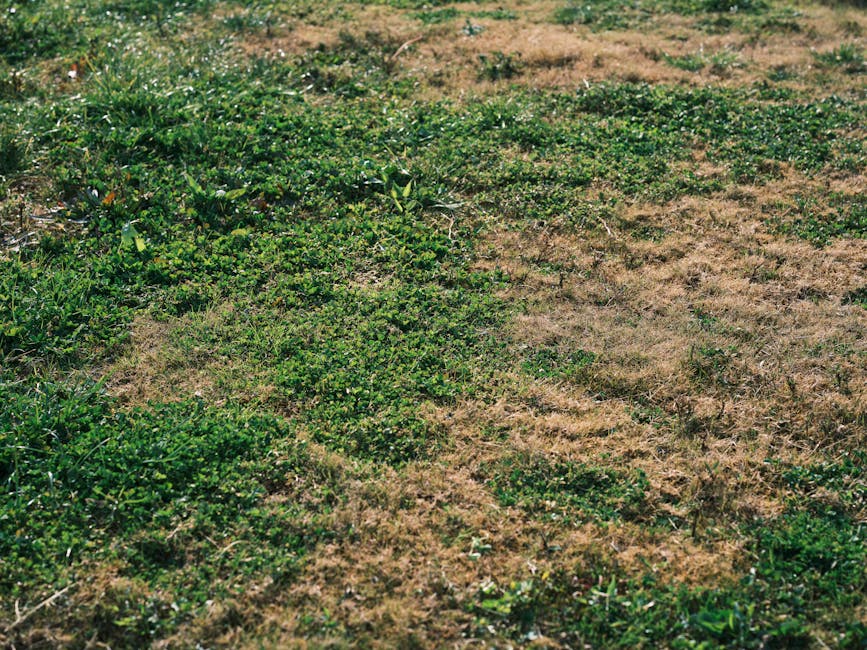
Common gardening mistakes that ruin a lawn and how to avoid them
A lawn can look perfectly fine one week and then suddenly turn patchy, thin, and a bit tired-looking the next. Usually, it is not one dramatic event. It is a series of small gardening mistakes that quietly add up. If you have ever wondered why your grass seems to struggle even though you are "looking after it", you are in the right place.
In this guide to common gardening mistakes that ruin a lawn and how to avoid them, we will break down the habits that cause the most damage, explain what is actually happening to the grass, and show you how to correct course before things get worse. It is practical, plain-English advice you can use whether you cut the lawn yourself or rely on regular lawn mowing and wider garden maintenance support.
Truth be told, most lawns do not need perfection. They need consistency, a bit of restraint, and the odd hard reset when life gets in the way. Let's get into it.
Table of Contents
- Why these lawn mistakes matter
- How lawn damage actually happens
- Key benefits of avoiding the usual mistakes
- Who this guide is for
- Step-by-step guidance
- Expert tips for better results
- Common mistakes to avoid
- Tools, resources and recommendations
- Law, compliance, standards and best practice
- Options, methods or comparison table
- Case study or real-world example
- Practical checklist
- Conclusion
- Frequently asked questions
Why these lawn mistakes matter
A lawn is often the first thing people notice when they see a garden. It frames borders, sets the tone for the space, and makes everything look cared for. When it starts to fail, the whole garden can feel shabby, even if the rest of the planting is doing well.
The main reason these mistakes matter is that grass is resilient, but not invincible. Repeated stress from the wrong mowing height, poor watering, compacted soil, or aggressive treatment can weaken the root system. Once that happens, weeds move in, moss becomes more comfortable, and bare patches appear where healthy turf should be.
You will also notice the knock-on effect. A weak lawn often needs more time, more water, more effort, and sometimes more money to bring back. That is where prevention really pays off. A few small changes early on are usually easier than full-scale renovation later.
For homeowners trying to keep a tidy outdoor space without spending every weekend chasing problems, getting the basics right matters more than any fancy gadget. A sensible routine beats heroic rescue work every time.
Expert summary: Most lawn problems are not caused by one bad day. They come from repeated small errors, especially mowing too short, watering badly, ignoring soil condition, and letting debris or shade issues build up.
How these lawn mistakes actually damage grass
Grass is a living surface, not just green decoration. It needs light, air, water, nutrients, and room for roots to breathe. Gardening mistakes ruin a lawn when they upset one or more of those basics for too long.
Here is the simple version. Cut the grass too short and the plant loses leaf area, which means it cannot photosynthesise properly. Water only a little and often, and the roots stay shallow because moisture never pushes them down. Leave soil compacted, and the roots struggle to spread. Put too much pressure on the lawn, and the turf becomes worn and thin. It is a chain reaction, really.
That is why the damage often looks broader than the original mistake. For example, an uneven mowing habit might first show up as scalping on the high spots. A few weeks later, you may see brown tips, dry patches, and then weed seedlings where the turf has opened up. By the time someone notices, the lawn has already been sending out little distress signals for ages.
In practical terms, the "how it works" part comes down to three things:
- Stress builds up when the grass is cut, trampled, or watered badly.
- Recovery slows down if soil conditions and feeding are poor.
- Weak areas spread as weeds, moss, pests, and disease take advantage.
That is why lawn care works best when it is steady and boring. Not glamorous, but effective. A bit like cleaning the kitchen as you go instead of facing a disaster on Sunday evening.
Key benefits of avoiding the usual mistakes
It is easy to think lawn care is all about looks. And yes, appearance matters. But the practical benefits go further than that.
- Better resilience: Healthy turf copes more easily with heat, rain, pets, and family use.
- Fewer weeds and moss: Dense grass shades out invaders and leaves less room for them to settle.
- Lower maintenance over time: A strong lawn usually needs fewer emergency fixes.
- Cleaner garden presentation: The whole space looks sharper, even from a distance.
- Better drainage and rooting: Good soil care helps water move and roots grow properly.
There is also a quiet satisfaction in seeing a lawn improve because the basics were done well. You notice the colour first, then the texture, then the way it springs back underfoot. Small thing maybe. But nice.
For properties that include hard landscaping or features like patios and timber areas, the lawn is even more important as a soft balance point. Good landscaping and thoughtful garden layout help the whole outdoor area feel finished rather than patchy.
Who this guide is for and when it makes sense
This is for anyone who wants a healthier lawn without spending every spare evening on it. That includes first-time homeowners, busy families, landlords, older gardeners who prefer efficient routines, and anyone with a lawn that has started looking a bit off despite regular attention.
It also makes sense if you are trying to decide whether to keep doing everything yourself or bring in a professional for occasional help. Sometimes a lawn is fine with simple fixes. Sometimes it is basically asking for a reset. No drama, just an honest assessment.
You may especially benefit from this guide if:
- your grass is patchy, yellowing, or full of weeds
- you cut the lawn regularly but it still looks tired
- there are shaded areas, compacted paths, or heavy foot traffic
- you have recently had building work, tree work, or garden clearance done
- you are planning a broader tidy-up and want the lawn to recover well afterwards
If the garden has been neglected or overgrown, a proper garden clearance can sometimes be the first sensible step before any lawn recovery work begins. There is no point feeding grass that cannot even see the light, is there?
Step-by-step guidance
Here is a straightforward way to stop common gardening mistakes from ruining your lawn and start reversing any damage that is already there.
1. Look at the lawn before you touch it
Walk the area slowly. Check for thin patches, moss, dead edges, footprints that never really recovered, and uneven growth. Notice whether the lawn is dry in some spots and waterlogged in others. That tells you a lot more than guessing from a quick glance out the back door.
2. Adjust your mowing height
One of the most common errors is mowing too low. It may look neat at first, but it strips away too much leaf and stresses the turf. As a rule of thumb, cut less and more often rather than taking off a big chunk in one go. If the grass has grown long, ease it down gradually over a few cuts.
3. Make watering count
Shallow, frequent watering encourages shallow roots. A better approach is deeper, less frequent watering when conditions really need it. The goal is to get moisture into the root zone, not just dampen the top like a passing sprinkle. Early morning is often the calmest time to do it, before the day heats up.
4. Deal with compaction
If the lawn feels hard, spongy, or the water sits on top, the soil may be compacted. Aeration helps air, water, and nutrients move downward. For a small lawn, manual aeration may be enough. For a heavier or more damaged lawn, mechanical aeration is often better. A compacted lawn is a bit like a crowded room with the windows shut.
5. Feed at the right time
Overfeeding can be as unhelpful as underfeeding. Use lawn feed in a measured way and choose the season carefully. Spring and early autumn are commonly the most useful times for routine feeding, but the exact approach depends on your soil, grass type, and weather. If in doubt, go gently.
6. Rake up debris and thatch
Leaves, clippings, and thick thatch can block light and trap moisture near the surface. A little thatch is normal; too much becomes a problem. Light raking keeps the lawn breathing, especially after wet weather or heavy leaf fall.
7. Repair bare areas quickly
Small bare patches are easier to fix early. Loosen the soil, add seed, keep it lightly moist, and protect it from traffic while it settles. If you leave bare patches alone, weeds usually move in before the grass has a chance.
8. Tidy the surrounding garden too
A lawn often suffers because the rest of the garden is in the way. Overhanging hedges can block light. Tree roots can compete for moisture. Borders can spill over. Keeping the wider space in order helps the lawn stay healthier. Services like hedge trimming and, where needed, tree lopping and removal can make a surprising difference to light levels and airflow.
Expert tips for better results
A few small habits can lift the whole result. These are the things experienced gardeners tend to do almost without thinking.
- Change one thing at a time. If a lawn is struggling, do not blast it with five treatments at once. You will not know what helped, and sometimes the mix causes more stress.
- Keep mower blades sharp. A blunt blade tears grass instead of cutting it cleanly. The frayed tips dry out and look brown.
- Follow the one-third rule. Try not to remove more than a third of the grass height in a single cut.
- Watch the edges. Lawn damage often starts at the sides, near paths, fences, and busy routes.
- Think seasonally. What works in a wet spring may fail in a hot, dry spell.
- Leave the lawn alone when it is stressed. Frost, waterlogging, and drought are not times to get overenthusiastic. Honestly, the grass will not thank you.
If you maintain the garden yourself, a dependable routine matters more than occasional intensity. That is where regular garden maintenance can support the lawn by keeping everything around it in better shape.
A useful rule of thumb: if the lawn is already weak, be kinder than you think. People often try to fix a tired lawn by working it harder. Usually the opposite helps.
Common mistakes to avoid
Here is the heart of the matter. These are the most common gardening mistakes that ruin a lawn and how to avoid them in practice.
| Mistake | What it does | How to avoid it |
|---|---|---|
| Mowing too short | Weakens grass, exposes soil, invites weeds | Cut higher and more often; keep blades sharp |
| Watering little and often | Creates shallow roots and patchy growth | Water deeply when needed rather than constantly |
| Ignoring compacted soil | Blocks air and slows root development | Aerate and reduce heavy traffic on wet ground |
| Feeding at the wrong time | Can encourage soft growth or waste product | Feed seasonally and follow sensible application rates |
| Leaving leaves and clippings to build up | Smothers grass and encourages disease | Rake or collect debris regularly |
| Letting shade creep in | Reduces growth and thins turf | Trim back overgrowth and manage nearby trees |
| Walking on wet, fragile turf | Compacts soil and damages roots | Limit access during wet or frosty conditions |
| Delaying patch repairs | Lets weeds establish in bare ground | Repair thin areas quickly with seed or turf |
Another mistake people make, and it is a sneaky one, is treating the lawn as if it is separate from the rest of the garden. It is not. If the borders are overgrown, the paths are clogged, or the slope is full of runoff, the lawn feels the effect. The garden works as a whole system.
If the whole space needs a reset rather than just a tidy edge, broader landscape gardening work can help redesign areas so the lawn is easier to maintain long term.
Tools, resources and recommendations
You do not need a shed full of specialist kit to protect a lawn. In most cases, a few sensible tools are enough.
- Reliable mower: A mower that cuts evenly and allows height adjustment is essential.
- Sharp blade or servicing plan: The condition of the blade matters more than many people realise.
- Spring-tine rake: Useful for light thatch removal and general tidy-up.
- Fork or aerator: Helpful for compacted patches and small lawns.
- Hose or sprinkler: Best used thoughtfully, not as an afterthought.
- Hand trowel and seed mix: Handy for quick patch repairs.
If you are short on time, arranging regular lawn mowing can prevent the classic "let it get too long, then scalp it short" cycle. That single pattern causes more trouble than people expect.
For customers who want a broader tidy-up across the whole property, it can also help to combine lawn care with seasonal pruning and waste removal. Done together, the garden feels calmer and more manageable, not like three separate jobs waiting to ambush you.
Law, compliance, standards and best practice
For most domestic lawns, there is no complicated legal framework to worry about. Still, good practice matters, especially in shared spaces, rental properties, or gardens with structures, trees, or access routes.
If you are hiring someone to carry out gardening work, reasonable expectations include safe working methods, clear communication, and proper care around tools, pets, children, and neighbouring boundaries. In the UK, many homeowners also expect contractors to work with sensible insurance and to follow common safety standards, especially where ladders, cutting equipment, or tree work are involved.
It is also worth being mindful of local rules around garden waste, noise, and tree protection. If you are dealing with larger branches or major overgrowth, professional help may be the safer route. That is especially true where you need careful handling rather than brute force.
For peace of mind, you can review practical details such as insurance and safety and the company's health and safety policy before booking any work. It is a small step, but it helps set the right expectations.
Where waste is involved, responsible disposal and a tidy finish should also be part of the job. If sustainability matters to you - and for many homeowners it does - it is worth asking how clippings, green waste, and old materials are handled. Some homeowners prefer to look for a provider with a clear recycling and sustainability approach.
Options, methods or comparison table
If your lawn is underperforming, you usually have three broad options: maintain it yourself, book occasional professional help, or bring in a more complete garden service. The right choice depends on time, confidence, and how damaged the lawn has become.
| Approach | Best for | Pros | Trade-offs |
|---|---|---|---|
| DIY lawn care | Smaller lawns, steady upkeep | Low cost, full control, flexible timing | Easy to miss problems or build bad habits |
| Regular mowing and maintenance support | Busy households, medium upkeep needs | Consistency, better appearance, less hassle | Ongoing service commitment |
| Full garden reset | Neglected, overgrown, or awkward gardens | Best for major recovery and long-term improvement | May need more planning and higher upfront effort |
In practice, many people start with DIY, then bring in support when the lawn gets away from them. That is perfectly normal. Gardens have a habit of slipping during busy months, especially after a wet spring or one of those summers where everything either mushrooms or burns.
If your garden needs more than the lawn alone, a mix of services can make sense. For instance, trimming the edges, clearing problem growth, and sorting the layout can make the lawn much easier to keep healthy afterwards. That is where a broader landscaping approach can be more effective than treating the grass as a separate problem.
Case study or real-world example
A fairly typical case is the small family garden that looks decent from the kitchen window but starts showing trouble along the edges and in the centre strip. The grass gets cut very short whenever it grows too much, mainly because nobody wants to mow twice. The same mower passes over the same route every time. Meanwhile, a narrow shaded area near a hedge stays damp after rain, and the dog uses one corner as a shortcut.
By late summer, the result is predictable: brown tips, a few bald patches, weeds in the weak spots, and a lawn that feels hard underfoot. Nothing catastrophic. Just tired.
The fix was not dramatic. The mowing height was raised. The mower blade was sharpened. Watering changed from quick evening splashes to deeper, less frequent watering when needed. The compacted area was aerated. The hedge was trimmed to let in more light. And the bare patch was reseeded instead of ignored.
After a few weeks, the lawn was still not perfect - real lawns rarely are - but it was clearly recovering. The biggest difference was consistency. No single magic product, no miracle patch. Just fewer mistakes and a bit more patience.
That is the realistic goal for most gardens. Better, steadier, healthier. Not magazine-perfect, just properly looked after.
Practical checklist
Use this checklist before each mowing or seasonal lawn care session.
- Check whether the grass really needs cutting yet.
- Set the mower to a sensible height.
- Make sure the blade is sharp and clean.
- Remove leaves, twigs, and other debris first.
- Look for compacted or waterlogged patches.
- Water only when the lawn genuinely needs it.
- Inspect edges, shaded spots, and high-traffic areas.
- Repair bare areas promptly.
- Trim back overhanging growth if light is limited.
- Do not overload the lawn with feed or treatment.
Quick takeaway: if you remember nothing else, remember this - cut high enough, water properly, clear debris, and do not leave weak spots alone for too long.
Conclusion
Most lawns do not fail because of one big disaster. They fail because of repeated, ordinary mistakes: mowing too low, watering badly, ignoring compacted soil, letting shade build up, or putting off repairs until the damage spreads. The good news? Those are all fixable.
Once you understand the pattern, lawn care becomes much easier. You stop fighting the grass and start working with it. A healthier lawn is usually the result of patience, timing, and a bit of restraint. Not glamorous, I know. But effective. And once it starts recovering, you really do notice the difference underfoot and from the window.
If your lawn has got away from you or the whole garden needs a more structured tidy-up, getting professional help can save time and prevent the same problems from returning. Get a free quote today and see how much you can save.
Sometimes the best gardens are simply the ones that are cared for with a steady hand. Nothing fancy. Just done properly.
Frequently Asked Questions
What are the most common gardening mistakes that ruin a lawn?
The biggest problems are mowing too short, watering poorly, compacting the soil, ignoring debris, and leaving bare patches unrepaired. These mistakes weaken the grass and create space for weeds and moss.
How often should I mow my lawn?
It depends on the season, grass growth, and weather. The key is to mow often enough that you do not remove too much at once. If the grass has grown long, reduce it gradually rather than taking a heavy cut immediately.
Is watering every day bad for a lawn?
Usually, yes. Frequent light watering often keeps moisture near the surface and encourages shallow roots. A better approach is deeper watering when the lawn genuinely needs it.
Why does mowing too short damage grass?
Short mowing reduces the leaf area the plant needs for growth. It can also expose soil, dry out the turf faster, and make it easier for weeds to move in.
What should I do if my lawn is patchy?
Check for the cause first. Bare patches may be due to compaction, shade, dog wear, or poor mowing habits. Then repair the area with seed or turf and protect it while it recovers.
Can shade ruin a lawn?
Yes, shade can slow grass growth and make moss more likely. If nearby hedges or trees are blocking light, trimming them back may help. In some cases, the lawn area itself may not be the best long-term solution.
Do I need to aerate my lawn?
If the soil is hard, the lawn feels spongy, or water sits on the surface, aeration can help. It improves airflow and allows water and nutrients to reach the roots more easily.
What is the best way to fix compacted soil?
Aeration is the main fix. You should also reduce traffic on wet ground and keep the lawn healthy with proper mowing and feeding so the soil does not worsen again.
When is the best time to repair a damaged lawn?
Spring and early autumn are often good times because conditions are usually more supportive for grass growth. That said, the exact timing depends on the weather and the type of damage.
Can a badly damaged lawn be saved?
Often, yes. Many lawns recover well if you correct the main problems early enough. Severe damage may need reseeding, patch repair, or a more complete renovation, but it is not always a lost cause.
Should I hire help or do it myself?
If the lawn only needs routine care, DIY may be enough. If it is repeatedly failing, heavily overgrown, or part of a larger garden issue, professional support can save a lot of trial and error.
How do I know if the whole garden is affecting the lawn?
Look for signs like shade from hedges, tree root competition, runoff from paths, or overgrown borders spilling into the turf. A lawn rarely exists in isolation, so the surrounding layout matters too.