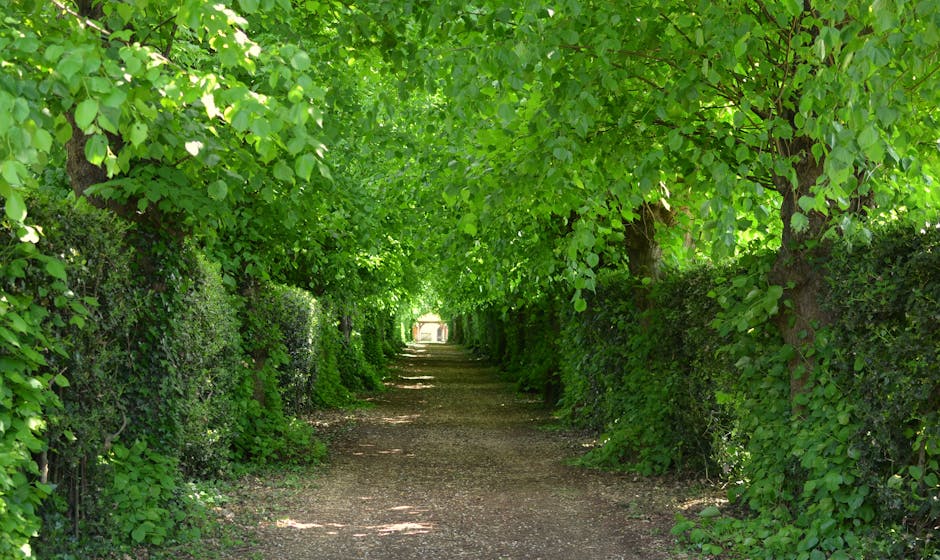
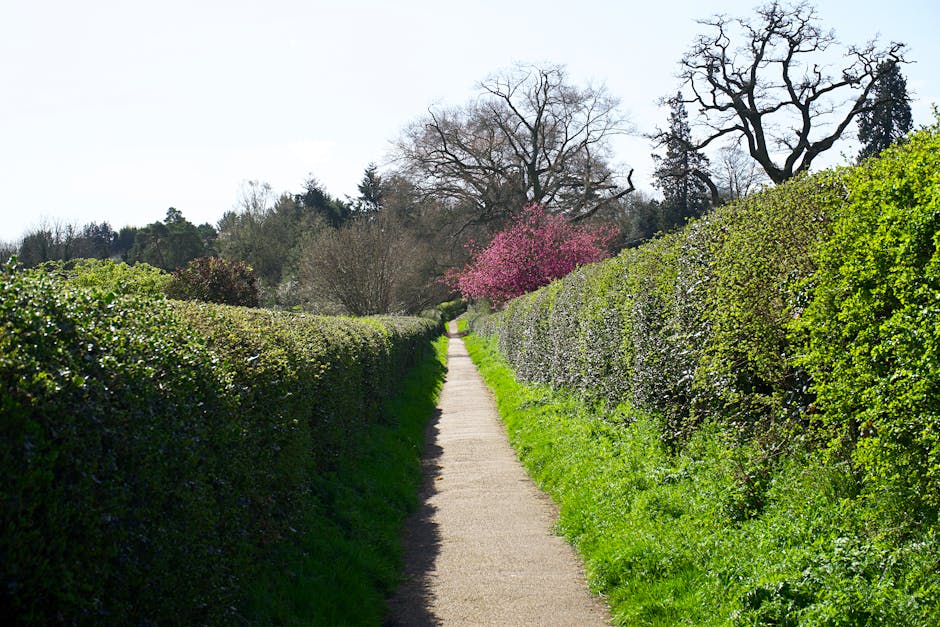
Hedge and boundary planting techniques for gardeners in compact spaces
Compact gardens can be lovely, but they also make every decision feel a bit more loaded. A hedge that grows too wide steals light. A border that is too sparse feels unfinished. A boundary planting scheme that is chosen badly can make a small space feel even smaller. Done well, though, hedge and boundary planting techniques for gardeners in compact spaces can turn a tight plot into something private, layered, and quietly generous.
In this guide, we'll look at what works, what tends to go wrong, and how to choose plants and layouts that stay manageable over time. You'll get practical steps, a comparison table, a realistic example, and a checklist you can actually use. If you are weighing up a simple screen, a softer living boundary, or a more designed approach as part of wider landscape gardening, this should help you make a calmer, better-informed choice.
Truth be told, compact gardens reward restraint. The best boundary planting usually isn't the tallest or the most dramatic. It's the one that fits the scale of the space and keeps looking good in year three, not just week three.
Table of Contents
- Why hedge and boundary planting matters in compact gardens
- How the approach works
- Key benefits and practical advantages
- Who this is for and when it makes sense
- Step-by-step guidance
- Expert tips for better results
- Common mistakes to avoid
- Tools, resources and recommendations
- Law, compliance, standards, or best practice
- Options, methods, or comparison table
- Case study or real-world example
- Practical checklist
- Conclusion
- Frequently asked questions
Why Hedge and boundary planting techniques for gardeners in compact spaces Matters
In a small garden, the boundary is never just a boundary. It is part wall, part backdrop, part privacy screen, and often the thing your eye lands on first. That means the planting you choose has a disproportionate effect on how the whole garden feels. A narrow strip along a fence can either soften hard edges or become a cluttered line of overgrown plants fighting for room.
This matters because compact spaces need more than just "small plants". They need plants with the right habit, depth, and seasonal behaviour. A hedge that naturally wants to spread two metres wide is a poor match for a courtyard. A tall, thin screen might work beautifully next to a seating area, but not where it blocks sunlight from a kitchen window. The real skill is matching growth habit to available space.
There's also the emotional side. Small gardens can feel overlooked, especially in terraced homes or narrow urban plots. A well-planned living boundary gives privacy without the hard, boxed-in feeling that solid fencing sometimes creates. You get texture, movement, and a bit of life. Birds, scent, the soft rustle of leaves on a windy day. That stuff matters more than people admit.
For gardeners who are already juggling limited space, maintenance also becomes a key consideration. If you build a boundary scheme that needs constant correction, you'll soon resent it. If you choose a system that stays tidy with sensible hedge trimming and regular garden maintenance, the garden feels easier to live with. And let's face it, easy to live with is the dream.
How Hedge and boundary planting techniques for gardeners in compact spaces Works
The basic idea is simple: use plants to define edges, create privacy, and shape the garden, while keeping the planting depth and growth habit under control. In practice, that means thinking in layers and in time. A boundary planting plan is not only about what it looks like in spring; it is about how it will behave after pruning, after a wet winter, and after a few growing seasons.
Most compact-space boundary planting falls into one of four approaches:
- Formal clipped hedge - a tidy, narrow hedge kept to a set height and width.
- Informal hedge - a looser planting line with more natural shape and softer edges.
- Mixed boundary planting - shrubs, small trees, climbers, and perennials blended together.
- Screening on supports - climbers or trained plants used with trellis, wires, or fences to save ground space.
Each option behaves differently. A clipped hedge gives the cleanest line and is often best where space is really tight. Mixed boundary planting feels richer and more natural, but it can spread more than you expect unless it is managed carefully. Trellis and climbers are brilliant where the planting bed is narrow, because they use vertical space rather than valuable floor area.
The method also depends on what your boundary is doing. Are you trying to hide bins, soften a fence, create shelter from wind, divide one part of the garden from another, or all of the above? Those goals lead to different plant choices. For example, a screen near a patio should usually be slimmer and lighter in texture than a boundary on the far edge of the plot, where you can afford a slightly broader plant profile.
In many small urban gardens, the winning formula is a combination: a low, neat hedge or clipped evergreen structure, then taller seasonal interest behind or above it. That layered look gives depth without swallowing the garden whole. It can also make a short fence appear taller and more elegant. Oddly enough, small gardens often look best when they pretend to be a little larger than they are.
Key Benefits and Practical Advantages
Done properly, compact-space boundary planting offers more than privacy. It solves several problems at once.
- Privacy without harshness - a hedge softens the line between your garden and next door.
- Better use of vertical space - especially useful where ground space is limited.
- Seasonal interest - flowers, berries, foliage colour, or winter structure.
- Microclimate support - plants can help reduce wind and create more sheltered seating areas.
- Sound softening - not silence, of course, but a gentler feel than bare fencing.
- Design continuity - boundary planting can make a tiny garden feel planned rather than squeezed together.
- Habitat value - useful for pollinators and birds if plant selection is thoughtful.
Another practical advantage is that the right planting can reduce your maintenance burden elsewhere. A hedge line can frame a narrow lawn, for example, and make mowing easier by creating clear edges. If your lawn needs regular attention as part of the overall layout, pairing boundary planting with lawn mowing can keep the whole garden sharper and easier to manage.
There is a design advantage too: boundaries can visually widen a garden by drawing the eye along layered lines instead of forcing attention straight to the back fence. That's a simple trick, but a powerful one. Sometimes one strong line is better than five complicated ones. A bit of discipline goes a long way.
Expert summary: In compact gardens, the best hedge and boundary planting is usually narrow in footprint, predictable in growth, and easy to keep tidy. Prioritise shape, maintenance, and light levels before choosing anything for appearance alone.
Who This Is For and When It Makes Sense
This approach is ideal if you have a small front garden, a narrow back garden, a courtyard, a town garden, or a shared boundary where privacy matters. It is also a good fit if you want to replace tired fencing with something softer and more living, or if you need to manage overlooked windows without building a wall of greenery that overwhelms the plot.
It makes particular sense when:
- the garden is too small for broad shrubs or large specimen trees;
- you want a boundary that changes with the seasons;
- you are trying to protect daylight into the house;
- the existing fence line is ugly, tired, or patchy;
- you want a more natural look but still need structure;
- you are planning a refresh as part of wider landscaping work.
It may be less suitable if your soil is extremely shallow, the boundary is in heavy shade, or there is no room for root spread at all. In those cases, slim climbers, container planting, or a more structural approach may be safer. You do not always need a hedge. Sometimes the wisest answer is a trellis with a climber and a few well-chosen pots. Not glamorous, maybe, but practical.
If you're dealing with a neglected edge full of brambles, dead stems, or a cluttered old border, a bit of initial clearing can make the whole project feel possible again. A tidy start often matters more than people think. That's where garden clearance can be useful before any planting goes in.
Step-by-Step Guidance
1. Measure the real planting space
Start with the actual depth you have, not the depth you wish you had. Measure from fence to path, wall to patio, or boundary to lawn edge. Then reduce the usable width a little more to allow for growth, access, and pruning. A hedge planted too close to a path quickly becomes a nuisance.
2. Decide what the boundary must do
Write down the job first: privacy, screening, softness, shelter, division, or decoration. If you need all five, be honest about the limits of the space. In compact gardens, the boundary usually has to do one main job very well, and maybe a second one adequately. That's fine.
3. Match plant habit to space
Choose plants with naturally compact, upright, or narrow habits. Avoid species that turn into wide mounds unless you have room to let them breathe. Think in terms of eventual shape, not just pot size in the garden centre. A small plant can become a big commitment, and that little tag can be quietly misleading.
4. Prepare the soil properly
Good soil preparation pays off for years. Clear weeds, improve structure where needed, and make sure the planting line drains well. In small spaces, poor drainage can be especially frustrating because you have fewer options for moving things around later. It is much easier to get this right once than to fix root problems after the hedge has settled in.
5. Set the planting line with maintenance in mind
Leave enough room to prune from both sides if possible. If the boundary backs onto a wall or fence, think about how you will reach the rear growth. This is where many small-garden plans become awkward. A hedge can be beautiful and still be impossible to maintain if access is ignored.
6. Plant at the right spacing
Spacing depends on the plant species and the effect you want. Too close, and the plants compete and become leggy. Too far apart, and the boundary looks patchy for years. The right spacing gives a dense framework without forcing the plants into a struggle. If in doubt, ask for the mature spacing for the exact plant, not a generic rule.
7. Train early, don't wait
Young plants should be lightly trained from the start. Early pinching, tying in, or formative pruning helps create the shape you want later. The first two seasons are a lot less forgiving than people assume. Miss that early training and you spend more time correcting the structure later.
8. Keep on top of pruning
Regular light trimming is better than occasional heavy cutting. In compact gardens, a hedge that gets trimmed before it becomes bulky tends to stay neater, denser, and more polite on the eye. For a lot of gardens, this is the difference between "smart boundary planting" and "green blob with ambitions".
Expert Tips for Better Results
The biggest wins often come from small choices.
- Choose foliage texture carefully. Fine leaves tend to read lighter and less bulky than large, broad leaves.
- Use layered heights. A low hedge in front of a vertical climber can feel more spacious than one tall dense block.
- Keep the top slightly narrower than the base. This helps light reach lower growth and keeps the hedge stable looking.
- Think about winter. Evergreens keep structure when deciduous plants lose their leaves, which is useful in small gardens.
- Protect light access. A boundary that shades the whole plot can make a garden feel cold and cramped, even if the planting itself is attractive.
- Leave service access. Gates, bins, drains, and maintenance routes still need to work.
A good trick for compact plots is to use repetition rather than variety for its own sake. Repeating one or two plants along a boundary creates calm. Too many different species can make the edge feel busy and smaller than it is. A little rhythm helps. So does saying no to one more "interesting" plant at the nursery, which is harder than it sounds.
If you are balancing planting with hardscape elements such as steps, patios, or timber features, boundary planting can also help the whole design feel more finished. Some gardeners fold it into broader decking services work, especially where the planted edge needs to soften a raised deck or frame a sitting area.
Common Mistakes to Avoid
- Choosing fast growth over manageable growth. Fast is not always better in a small garden.
- Planting too close to walls or fences. It may look neat at first, but maintenance becomes awkward.
- Ignoring mature width. Height is only half the story; width is what often causes the headache.
- Overcomplicating the boundary. A tiny garden rarely benefits from a crowded mix of too many plants.
- Letting the hedge get away from you. Once it bulges, you lose light and shape quickly.
- Forgetting access for pruning or repairs. You still need to reach the back of the planting somehow.
- Using the wrong plants for shade or exposed conditions. A plant that looks healthy in a sheltered nursery can struggle badly in a windy terrace.
One of the most common mistakes is emotional, not technical: people fall in love with a plant's spring display and forget what it will do for the rest of the year. Fair enough, we all do it. But boundary planting is a long game, and compact gardens are unforgiving. A plant that behaves badly has nowhere to hide.
Tools, Resources and Recommendations
You do not need a huge toolkit, but you do need the basics in decent condition.
- Secateurs for fine cuts and formative pruning.
- Hedge shears or a hedge trimmer for keeping lines sharp.
- Spade and fork for planting and soil preparation.
- Measuring tape for checking widths and spacing.
- Canes, string, or line markers for setting a straight boundary line.
- Watering can or hose for establishment watering.
- Mulch to reduce weeds and retain moisture.
For many homeowners, the practical question is whether to tackle the work themselves or bring in support. If the boundary is straightforward and the garden is small, a careful DIY approach can work. If the area is overgrown, uneven, or needs a more polished finish, professional help can save time and prevent avoidable mistakes. That is especially true where the hedge needs periodic shaping as part of ongoing hedge trimming.
If you are planning a larger refresh, it can be worth discussing the planting alongside other garden work rather than as a standalone job. That often leads to better flow, fewer wasted steps, and a cleaner final result. For tailored support and a clear next step, contact us to talk through the layout.
Law, Compliance, Standards, or Best Practice
For most domestic gardens, there is no single rulebook that dictates exactly which hedge or boundary plants you must use. But there are a few practical and legal considerations worth keeping in mind in the UK.
- Boundary ownership matters. Before planting right on a line, confirm who owns the fence, wall, or boundary strip if there is any doubt.
- Neighbour relations matter too. A hedge that overhangs or shades heavily can become a source of friction, even if the planting itself is legal.
- Access and safety should stay sensible. Pruning, watering, and eventual maintenance all need safe access.
- Tree and shrub size should be realistic. Some councils can become involved if hedges or trees create nuisance, block visibility, or affect highways, though the details vary by location.
- Check local expectations on protected trees or major works. If the planting plan involves larger woody plants or removal of existing trees, professional advice is wise. Where needed, tree lopping and removal may be part of preparing the boundary safely.
Best practice is usually simpler than regulation: keep planting appropriate to the space, keep it maintained, and do not let it become a problem for neighbours, access, or visibility. If you are organising the work professionally, it is also reasonable to ask about insurance and safety, especially if ladders, cutting equipment, or heavier clearance is involved.
Options, Methods, or Comparison Table
Here is a quick comparison of the most common boundary planting approaches for compact spaces.
| Method | Best for | Advantages | Trade-offs |
|---|---|---|---|
| Clipped hedge | Very small gardens, clean lines, privacy | Neat, space-efficient, easy to read visually | Needs regular trimming and discipline |
| Informal hedge | Softer garden style, wildlife-friendly feel | More natural, less rigid, can look generous | Can spread more than expected if unmanaged |
| Mixed shrub boundary | Layered, decorative, varied gardens | Seasonal interest and texture | Can become bulky or messy in a tight footprint |
| Climbers on trellis | Narrow beds, fences, screening | Excellent space saving, good for vertical cover | Needs support and training; can look sparse early on |
| Container boundary planting | Paved courtyards, patios, rental spaces | Flexible, movable, low root demand | More watering and feeding required |
If you want the tidiest result in a very compact garden, the clipped hedge or trellis-based solution usually wins. If you have a little more depth and want a more relaxed finish, a mixed boundary can be wonderful, but it needs restraint. A gardener with a small plot and a large plant wishlist usually ends up learning this the hard way. We have all been there.
Case Study or Real-World Example
Imagine a narrow back garden in a Victorian terrace. The plot is long but only modestly wide, with a fence line that feels exposed from the neighbouring first-floor windows. The owner wants privacy, but the garden still needs light for a small seating area and enough space for children to move about.
The first instinct might be to plant a tall, dense evergreen screen all the way down both sides. It would certainly create privacy. It would also make the garden feel darker and tighter than before. Not ideal.
A better solution is a mixed but controlled boundary plan: a narrow evergreen hedge section nearest the seating area, a climber trained on slim supports along the most exposed fence, and a few medium shrubs placed only where the border has enough depth. The hedge is kept low enough to preserve daylight and clipped regularly. The climber adds height without taking over the ground plane. A small amount of open space is deliberately left so the garden still breathes.
The result is not just prettier. It is easier to live with. The seating area feels enclosed without being boxed in, and the boundary no longer looks like an afterthought. This kind of approach often benefits from professional planning if the garden also needs structural refreshes, especially where boundaries sit alongside paths, patios, or other garden improvements. In some cases, the work is coordinated with broader landscape gardening so everything lands in the right order.
Practical Checklist
- Measure the planting depth and keep a little allowance for future growth.
- Decide whether privacy, screening, softness, or structure is the main goal.
- Check sun, shade, wind, and soil conditions before choosing plants.
- Prefer compact, upright, or trainable species in small spaces.
- Keep hedge width under control from the start, not later.
- Leave access for pruning, watering, and repairs.
- Use mulch and watering to help plants establish well.
- Plan maintenance as part of the design, not as an afterthought.
- Avoid overmixing species and textures in a very small boundary.
- Review the plan after the first season and adjust if needed.
Quick takeaway: compact boundary planting works best when it is simple, measured, and maintained early. If you get the structure right, the garden feels calm instead of crowded.
For gardeners who want a tidy result without guessing at widths, pruning cycles, or plant choice, it can be helpful to compare options and costs before starting. Pricing and quotes can give you a better sense of what a planned, professional approach may involve.
Get a free quote today and see how much you can save.
Conclusion
Hedge and boundary planting techniques for gardeners in compact spaces are really about balance. Enough privacy, but not too much bulk. Enough greenery, but not so much that the garden loses light or room to move. The most successful schemes tend to be the ones that respect the limits of the space rather than fighting them.
If you remember only one thing, make it this: in a small garden, the boundary is a design feature, not just a line at the edge. Treat it that way, and the whole space becomes more useful, more attractive, and much easier to enjoy on an ordinary Tuesday evening with a cup of tea and a bit of quiet. That's the good stuff, really.
Frequently Asked Questions
What is the best hedge for a small garden boundary?
The best hedge is usually one with a naturally compact or narrow growth habit that responds well to trimming. In small gardens, predictability matters more than speed of growth.
How close can I plant a hedge to a fence?
That depends on the plant, the fence, and how you will maintain it. Leave enough space for the hedge to reach its mature size without pushing against the boundary or becoming hard to prune.
Should I choose evergreen or deciduous boundary planting?
Evergreen planting gives year-round screening, which is often useful in compact spaces. Deciduous options can offer lighter seasonal interest and better winter sun, so the choice depends on your main goal.
How do I keep a hedge from getting too wide?
Start pruning early and trim regularly rather than waiting until it becomes overgrown. Keeping the sides slightly narrower than the base also helps maintain a neat shape.
Are climbers a good option for narrow boundaries?
Yes, climbers are often one of the best options for very narrow spaces because they use vertical area instead of ground area. They do need support and regular training, though.
Can boundary planting make a small garden look bigger?
It can. A well-planned boundary softens hard edges, creates visual depth, and reduces the feeling that the garden stops abruptly at a fence or wall.
What are the main maintenance tasks after planting?
Watering during establishment, mulching, weeding, formative pruning, and regular hedge trimming are the main tasks. The exact routine depends on the species and the season.
Do I need planning permission for a hedge in my garden?
Most ordinary domestic hedges do not need planning permission, but local rules and neighbour considerations can still matter. If the boundary affects visibility, a shared line, or a protected tree situation, it is wise to check carefully.
What is the easiest low-maintenance boundary planting for a compact garden?
A narrow evergreen hedge or a trained climber on a trellis is often the easiest approach. Both can look tidy without demanding a very deep planting bed.
Can I combine hedge planting with other garden improvements?
Yes, and in many cases that is the smartest way to do it. Boundary planting often works best when it is planned alongside paths, seating, or structural changes so the whole garden feels joined up.
How long does it take for boundary planting to look established?
That varies by plant, soil, and planting size, but most schemes need at least a full growing season to start settling in properly. Smaller plants may take a little longer, which is normal.
When should I ask for professional help?
If the garden is overgrown, the boundary is awkwardly narrow, the plants need reshaping, or you are not sure which species will stay manageable, professional advice can save time and frustration. A good-looking small garden is often built on a few sensible decisions made early.
And honestly, that is what makes compact gardens satisfying. They ask for thought, but they give a lot back when you get them right.