Essential spring pruning guide for UK gardeners 2026
Spring pruning can feel deceptively simple. Snip here, tidy there, done. But in UK gardens, timing matters more than most people expect. A hard frost after a trim, a bird nesting in a hedge, or a rose cut at the wrong point can set a plant back for months. This Essential spring pruning guide for UK gardeners 2026 is here to make the job clearer, calmer, and a lot less guesswork-heavy.
Whether you are shaping an overgrown shrub, encouraging better flowering, or just trying to bring some order back after winter, the basic idea is the same: prune with a purpose. Not everything should be cut in spring, and not every plant wants the same approach. Let's face it, the garden rarely reads the textbook. So this guide focuses on what works in real UK conditions, with practical steps you can use in a damp March morning, a breezy April afternoon, or that rare bright spell when everything suddenly looks possible.
If you are also weighing up whether to tackle bigger garden jobs yourself or bring in help, you may find it useful to look at the team behind our gardening services, or check pricing and quotes if you want a clearer idea of what support might cost. For safety and peace of mind, the pages on health and safety and insurance and safety are worth a look too.
Table of Contents
- Why spring pruning matters
- How spring pruning works
- Key benefits and practical advantages
- Who this is for and when it makes sense
- Step-by-step guidance
- Expert tips for better results
- Common mistakes to avoid
- Tools, resources and recommendations
- Law, compliance, standards and best practice
- Options, methods and comparison table
- Case study or real-world example
- Practical checklist
- Conclusion
- Frequently asked questions
Why Essential spring pruning guide for UK gardeners 2026 Matters
Spring is the point where a lot of UK gardens wake up. Buds swell, stems lengthen, and the first real structure of the year starts showing through. That also means any pruning decision has a visible effect quite quickly. Cut well, and you support healthy growth, flowering, airflow, and shape. Cut badly, and you can remove the year's bloom, expose tender growth to cold snaps, or leave a plant looking awkward for longer than you hoped.
In the UK, spring pruning matters because the season is variable. One week can feel mild and cooperative; the next brings wind, rain, and a late frost that makes you wince. Plants that have already started moving into growth are more sensitive to careless cuts, so timing and plant type matter. This is especially true for shrubs that flower on old wood, fruit trees that need careful shaping, and climbers that can quickly become tangled if left until summer.
There is also a maintenance angle. Spring is often the moment when hidden winter damage becomes obvious: dead tips, crossing branches, dense centres, and stems that have outgrown their place. A thoughtful prune now can prevent a bigger reset later. That is the real value. Not just tidiness, but momentum. A garden that starts spring in good shape usually stays easier to manage through the rest of the year.
Expert summary: Spring pruning is less about cutting everything back and more about making sensible, species-specific decisions at the right time. If you prune with plant biology in mind, the garden tends to reward you. Simple, but not always easy.
How Essential spring pruning guide for UK gardeners 2026 Works
Spring pruning works by guiding a plant's energy. When you remove dead, damaged, crowded, or poorly placed growth, the plant can redirect its effort into stronger shoots, healthier buds, and better flowering or fruiting. The trick is knowing what to remove and what to leave alone.
Broadly, pruning decisions in spring fall into a few categories:
- Clean-up pruning - removing dead, broken, or frost-damaged wood.
- Formative pruning - improving structure on young shrubs, trees, and climbers.
- Maintenance pruning - keeping established plants compact and manageable.
- Rejuvenation pruning - reducing an overgrown plant in stages.
Different plants respond differently. Some, like many roses and summer-flowering shrubs, tolerate spring pruning well. Others, such as spring-flowering shrubs that have already set buds, should usually wait until after flowering. That is where a lot of gardeners get caught out. The plant looks ready, the secateurs are in hand, and then the next month there are far fewer flowers than expected. Annoying, but very normal.
Think of pruning as a conversation with the plant rather than a haircut. You are responding to what is there: a dead stem here, an overcrowded centre there, a branch rubbing on another. You are also shaping what comes next. That is why spring pruning is not one generic job. It is a series of small, informed decisions.
Key Benefits and Practical Advantages
Good spring pruning gives you several benefits at once, which is why it is such a high-value garden task. It is not just about looks, though of course a tidy border does feel better when you step outside with a mug of tea and can actually see the structure of the bed.
- Healthier growth: Removing dead and diseased wood reduces stress and helps the plant focus on active stems.
- Better airflow: Thinning dense growth can lower the risk of damp-related issues and reduce mildew pressure in some plants.
- Improved flowering: Pruning at the right time supports stronger bud development and better bloom display later in the season.
- More manageable size: Spring is a practical time to stop shrubs, hedges, and climbers getting away from you.
- Safer structure: Removing weak or crossing branches can reduce breakage in windy weather.
- Clearer garden design: A few well-placed cuts can reveal shape and improve light levels in beds and borders.
There is also a quieter benefit: confidence. Once you understand what spring pruning is trying to achieve, the garden feels less random. You stop wondering, "Should I cut this?" quite so often. Well, maybe not entirely. But it gets easier.
Who This Is For and When It Makes Sense
This guide is for UK gardeners who want practical, realistic pruning advice rather than vague rules. It suits beginners who do not want to ruin a favourite shrub, and experienced gardeners who know the basics but want a sharper spring plan for 2026.
It makes sense if you are dealing with any of the following:
- overgrown shrubs that need shaping without being hacked back
- roses that benefit from a seasonal reset
- young trees needing formative pruning
- climbers that have become messy after winter
- old stems, frost damage, or winter dieback
- dense growth that is blocking light or air
It is also relevant if you are trying to decide whether a job is small enough to do yourself or whether it needs a professional eye. Some pruning is straightforward. Some is not. A large mature shrub near a boundary fence, a tall tree with awkward access, or a mixed border with several flowering cycles can get complicated quickly. That is where professional support, insurance, and clear process become more than just nice-to-haves. If you want to understand how a company approaches that side of the work, the pages on terms and conditions and complaints procedure can help set expectations.
Spring pruning makes most sense after the worst of winter has passed, but before the plant is fully committed to fresh growth. That timing window is different for different plants, so the calendar alone should never be the only guide. You have to look at the buds, the weather, and the plant's flowering habit. Tiny bit annoying? Yes. Worth it? Also yes.
Step-by-Step Guidance
If you want a sensible spring pruning routine, start with observation. It sounds basic, but the best pruning often begins with standing still for a minute or two. Look from the front, the side, and if possible a little way back from the border.
1. Identify the plant type
Before you cut anything, work out whether the plant flowers on old wood, new wood, or both. Old wood means last year's growth. New wood means this year's growth. Spring-flowering shrubs often bloom on old wood and are usually pruned after flowering. Summer-flowering shrubs are more likely to cope with spring pruning. If you are not sure, pause. Guessing is how many nice plants become "less nice" very quickly.
2. Check for winter damage
Look for blackened tips, brittle stems, split branches, and growth that feels hollow or dry. These can be removed back to healthy tissue. A clean cut matters more than an aggressive one. If you see soft or diseased wood, cut a little further back until the stem looks sound.
3. Remove crossing, rubbing, or inward-growing stems
These stems create friction and crowd the centre of the plant. Once removed, the structure usually looks calmer and more open. This is one of the easiest ways to improve a shrub without making it look heavily pruned.
4. Shape with restraint
Step back after a few cuts. Ask yourself whether the plant still looks balanced. You do not need to make everything symmetrical in one go. Slightly uneven is often more natural, and frankly, more forgiving in a UK garden where wind and rain never quite leave things alone.
5. Make each cut cleanly
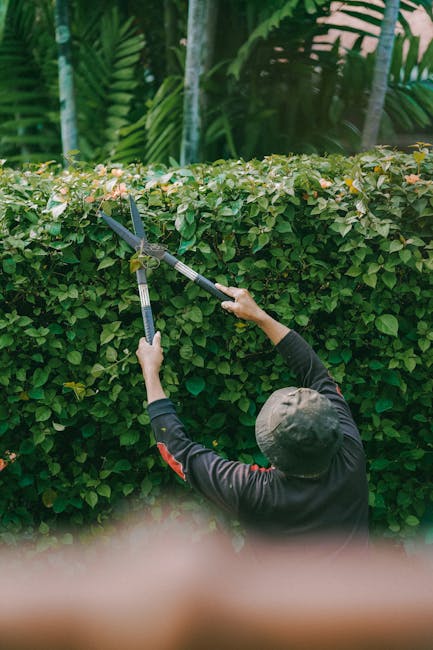
Use sharp tools and cut just above a healthy bud or side shoot. Avoid tearing the stem. Ragged cuts heal poorly and look untidy. A small, neat cut is nearly always better than a dramatic one.
6. Tidy the debris properly
Collect prunings as you go, especially if you have cut away any diseased material. This keeps the area clear and makes it easier to see what you have already done. If you are dealing with a larger quantity of green waste, it can be sensible to plan for recycling or responsible disposal. The page on recycling and sustainability is a useful reference if you are thinking about how garden waste is handled.
7. Water and monitor after pruning
Most established shrubs will not need much fuss, but newly planted specimens and container-grown plants may benefit from a little aftercare. Watch for signs of stress over the next couple of weeks: limp growth, odd colouring, or delayed bud break.
Expert Tips for Better Results
Here is where a few small habits make a big difference. In our experience, the best spring pruning is usually less dramatic than people expect. That is the part many gardeners resist, because it feels safer to "just take a bit more off". But more is not always better.
- Prune on a dry day if possible. Not because plants mind moisture as a moral issue, but because dry conditions make the work cleaner and easier to see.
- Keep secateurs sharp and clean. A sharp tool is less likely to crush stems. Clean blades also help reduce the spread of problems between plants.
- Use the right tool for the job. Secateurs for small stems, loppers for thicker growth, pruning saws for woody branches.
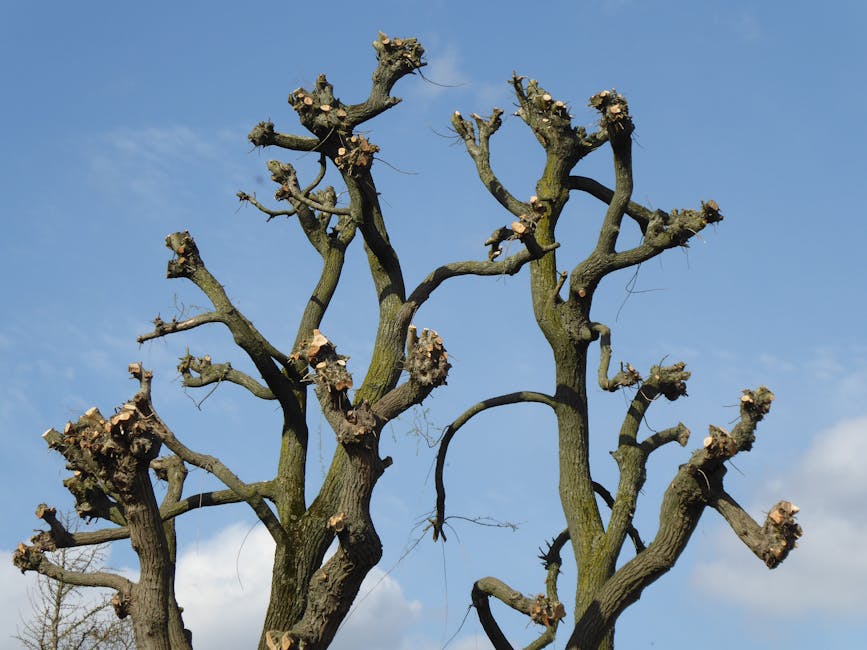
- Take a staged approach with big shrubs. If something is badly overgrown, reduce it over a couple of seasons rather than one severe cut.
- Respect wildlife. Check hedges and dense shrubs carefully before cutting. If nesting birds are present, stop and leave that area alone.
- Work from the inside out. It is often easier to improve structure by removing clutter from the centre first, then fine-tuning the outside shape.
One useful rule of thumb: if you feel the urge to make a plant "look finished" in a single sitting, slow down. Plants are not flat-pack furniture. They recover better when you leave a sensible framework behind.
Another tip that helps in real life is to prune with the whole garden in mind. A shrub that seems too big may actually be doing useful screening, protecting a more delicate plant behind it, or softening a wall. Sometimes the right prune is a smaller one than you first imagined.
Common Mistakes to Avoid
Spring pruning problems usually come from timing, confidence, or simply not knowing the plant. Here are the classic errors that crop up again and again.
- Pruning spring-flowering shrubs too early: This removes buds that were already set for display.
- Cutting too much at once: Heavy reduction can shock a plant and leave it looking bare for too long.
- Leaving stubs: A stub is an awkward dead end that can die back further and spoil the shape.
- Using blunt tools: Blunt blades crush tissue and make the work harder than it needs to be.
- Ignoring the natural shape: Forcing a rounded shrub into a square outline, for example, can make it look unnatural and weak.
- Forgetting to step back: A plant seen only from arm's length can fool you. The garden view matters more.
A slightly less obvious mistake is pruning because you feel you should do something. Gardens can create that feeling. Everything is growing, the weeds are already sprinting, and suddenly the secateurs start looking like the answer to everything. But if a plant is healthy and compact, it may need only a light tidy. Sometimes restraint is the expert move.
Tools, Resources and Recommendations
You do not need a shed full of specialist gear to prune well in spring. What you do need is a few reliable basics and a sensible way of working.
| Tool | Best use | What to look for |
|---|---|---|
| Secateurs | Small stems, soft growth, detailed cuts | Comfortable grip, sharp blade, easy locking mechanism |
| Loppers | Thicker woody stems that secateurs cannot handle | Good leverage, clean cutting action, not overly heavy |
| Pruning saw | Older, thicker branches | Stable blade and a handle that feels secure in the hand |
| Gloves | General protection from thorns and rough stems | Enough dexterity to still feel what you are doing |
| Cleaning cloth or brush | Wiping blades between plants | Simple and quick to use, so you actually use it |
For larger or awkward jobs, it may be worth asking for professional help rather than improvising on a ladder in a damp corner of the garden. Not glamorous, but sensible. If you are comparing support options, the pricing and quotes page is a practical starting point, and contact us is there if you need to ask a specific question about a job.
Tools are only part of the picture. The other part is disposal. If you are producing a lot of prunings, twigs, and leafy waste, think ahead about composting, green waste recycling, or collection. A tidy finish matters, and not just visually.
Law, Compliance, Standards and Best Practice
For most home gardeners, spring pruning is a practical horticultural task rather than a regulated one. Still, there are a few important UK best-practice considerations worth keeping in mind.
First, wildlife. If birds are nesting in a hedge or shrub, avoid disturbing the nest area. Even in a domestic garden, that is a serious consideration. Second, safety. If you are working at height, near boundaries, or with heavy branches, use proper equipment and do not take unnecessary risks. That is especially important where access is tight or the tree and shrub work is more substantial than it first looked.
Third, property and neighbour boundaries. If branches cross into another garden, be careful and courteous. Good communication saves a lot of awkwardness. A quick word is often better than a half-day of silent assumptions.
Where a professional gardener is involved, sensible business standards matter too: clear terms, safe working practices, insurance, and transparent payment processes. For readers who care about that side of the job, the pages on payment and security and accessibility statement help show the kind of care a reputable provider should be willing to make visible.
Best practice, in plain English, means this: work safely, respect the plant's natural cycle, and do not guess when a job looks outside your comfort zone. That is not being timid. That is being smart.
Options, Methods and Comparison Table
Not every spring pruning job needs the same approach. The right method depends on plant age, size, and what you want the plant to do next.
| Method | Best for | Advantages | Watch-outs |
|---|---|---|---|
| Light tidy pruning | Healthy shrubs, annual maintenance | Quick, low-risk, keeps natural form | May not solve serious overcrowding |
| Selective thinning | Dense shrubs and climbers | Improves airflow and structure | Needs a careful eye to avoid over-removal |
| Harder reduction | Overgrown plants needing reset | Can reclaim space and control size | Should usually be staged over time |
| Formative pruning | Young trees and shrubs | Builds long-term structure | Requires patience and consistency |
If you are unsure which route suits your garden, start with the least aggressive option. You can always do a little more later. It is much harder to put growth back once it has been removed. That sounds obvious, but in the moment it is astonishing how easy it is to forget.
Case Study or Real-World Example
Here is a very typical spring scenario. A homeowner in a London terrace garden notices that a mixed border has become messy after winter. One shrub has long, woody stems with dead tips. Another has already begun to bud. A climber near the fence is tangled with last year's growth. The instinct is to cut everything back for a clean start.
Instead, the better approach is measured. The woody shrub gets dead wood removed and a few crossing stems taken out. The budding shrub is left mostly alone because it is setting spring flowers. The climber is untangled and tied in, with only weak or misplaced stems cut away. The result is not dramatic on day one. But by late spring, the garden looks calmer, brighter, and more intentional. That matters.
This is the kind of job where experience saves both time and regret. A light, informed prune often improves the garden more than an enthusiastic reset. Honestly, the neatest garden is not always the one that was cut the hardest.
Practical Checklist
Use this checklist before and during spring pruning.
- Check the weather and avoid pruning in a frost warning if possible.
- Identify whether the plant flowers on old wood or new wood.
- Look for nesting birds before touching dense hedges or shrubs.
- Gather sharp secateurs, loppers, gloves, and a saw if needed.
- Remove dead, diseased, broken, or crossing stems first.
- Make clean cuts just above a healthy bud or side shoot.
- Step back regularly to check balance and shape.
- Avoid over-pruning spring-flowering plants before they bloom.
- Collect and dispose of waste responsibly.
- Water and monitor newly planted or stressed specimens after pruning.
Ticking these off is simple, but it stops a lot of mistakes before they start. A tiny pause saves a lot of gardening grief.
Conclusion
Spring pruning is one of those jobs that pays back more than it takes, provided you do it with care. The right cuts help your garden breathe, flower, and hold its shape through the season. The wrong cuts can do the opposite, especially in a changeable UK spring where weather and plant growth do not always cooperate.
The main thing to remember is that spring pruning is not a single rule. It is a set of decisions based on plant type, timing, and the condition of the garden in front of you. Start with the least invasive approach, work cleanly, and keep one eye on the plant's natural habit. That alone will put you ahead of a lot of hurried pruning jobs.
If your garden has a few larger, awkward, or time-sensitive pruning tasks, it can be worth getting a professional view before you cut. The right guidance can save time, money, and a good few headaches.
Get a free quote today and see how much you can save.
And if you are still standing in the garden wondering whether to cut that one branch or leave it, that's fine too. A thoughtful pause is often the start of a better garden.
Frequently Asked Questions
What is the best time for spring pruning in the UK?
The best time depends on the plant, but in general you should wait until the worst frosts have passed and the plant has not fully surged into growth. For many shrubs, that means early to mid-spring, but flowering habit matters more than the calendar alone.
Can I prune in March or April?
Yes, many plants can be pruned in March or April, especially if you are removing dead or damaged growth. Just be careful with spring-flowering shrubs, because pruning them too early can remove buds that are about to open.
Which plants should not be pruned in spring?
Many spring-flowering shrubs should usually be left until after they bloom, because they flower on old wood. If you are unsure, identify the plant first rather than cutting and hoping for the best. That little bit of checking saves a lot of regret.
How hard can I cut back a shrub in spring?
That depends on the species and how healthy the plant is. Light shaping and selective thinning are usually safer than a severe cut. If a shrub is badly overgrown, it is often better to reduce it gradually over more than one season.
Do I need to sterilise pruning tools?
It is a good habit, especially if you are moving between plants with signs of disease. A clean blade helps reduce the chance of carrying problems from one plant to another and keeps cuts neater too.
Is spring pruning good for roses?
In many UK gardens, yes. Roses often benefit from spring pruning because it helps shape the plant, remove weak growth, and encourage stronger flowering later. The exact method varies by rose type, so treat them individually.
What should I do with pruning waste?
Small amounts can often be composted if the material is suitable, while larger volumes may need garden waste recycling or collection. If you are handling a lot of green waste, planning for disposal before you start makes the whole job easier.
How do I know if I have over-pruned?
If a plant has very little framework left, looks oddly bare, or has had a large proportion of healthy growth removed, you may have gone too far. The plant may recover, but it can take time and extra care. Less is usually safer.
Should I prune hedges in spring?
Some hedges can be lightly trimmed in spring, but timing and wildlife checks matter. Always look carefully for nesting birds and avoid heavy cutting if the hedge is actively supporting nesting activity.
When is it better to call a professional gardener?
If the plant is tall, awkwardly placed, difficult to access, or valuable enough that you do not want to risk damaging it, professional help makes sense. It is also a wise choice if you are unsure about the plant type or the correct timing.
How can I tell whether a branch is dead?
Dead branches often feel dry, brittle, and lack flexible green growth. A small scratch test can sometimes help: healthy wood tends to show greener tissue underneath, while dead wood looks brown and dry. If in doubt, cut back carefully and inspect as you go.
Is spring pruning different in London compared with colder parts of the UK?
Yes, slightly. In milder urban areas like London, growth can start earlier than in colder or more exposed regions, so the timing window may open sooner. Even so, local weather still matters more than the postcode alone.